Removing Bottlenecks, Paving the Way for Vietnamese Agricultural Products to Reach Global Markets

Posted:

Against the backdrop of constantly changing international markets, Vietnam’s agricultural, forestry, and fisheries exports have maintained their growth momentum. However, significant challenges remain ahead, particularly in terms of market access, product quality, traceability, and logistics costs.

Solving Supply Chain Challenges for Export Products.

The figure of more than USD 49 billion in the first eight months of the year is a positive signal amid continued volatility in international markets. In July alone, Vietnam’s exports of agricultural, forestry, and fishery products exceeded USD 6.6 billion, up nearly 12% year on year.
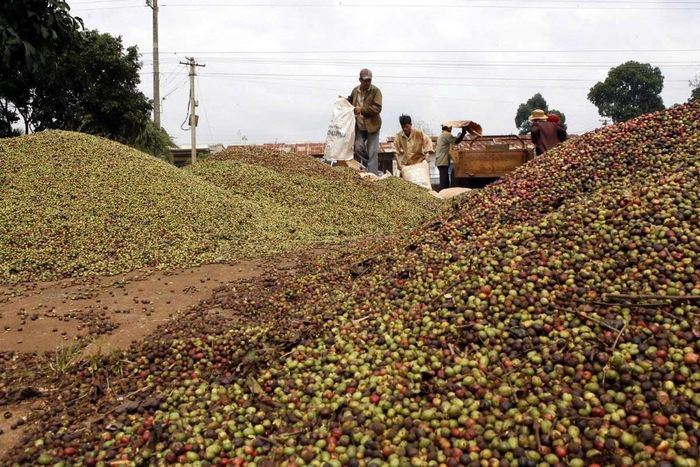
Trong 8 tháng năm 2026, xuất khẩu cà phê tăng về khối lượng nhưng giảm về giá trị. Ảnh: NP.

In the first eight months of 2026, coffee exports increased in volume but declined in value. Photo: NP.

Overall, agricultural exports reached more than USD 22 billion, fisheries exports exceeded USD 6.8 billion, forestry exports were nearly USD 11 billion, and livestock products accounted for around USD 455 million. These results show that international markets remain open to Vietnamese goods. However, behind the 7.5% growth rate lie challenges that cannot be overlooked, including prices, transportation costs, technical requirements, and policy changes in importing markets, all of which are increasingly affecting businesses.

At the Conference of Industry Associations on Promoting Agricultural, Forestry, and Fishery Exports, recently held in Ho Chi Minh City, the Ministry of Agriculture and Environment gave associations and businesses ample opportunity to speak openly about the difficulties they are facing. This approach shows that today’s export challenges cannot be solved simply by finding another market or signing another contract. Instead, the issues within the production chain itself must be addressed.

The target is to bring Vietnam’s agricultural, forestry, and fishery export turnover to more than USD 74 billion in 2026, while contributing to an overall industry GDP growth rate of at least 4%. To achieve this goal, Deputy Minister of Agriculture and Environment Nguyen Hoang Hiep emphasized the need for coordinated efforts among ministries, sectors, local authorities, industry associations, and the business community. He also called for a stronger role for Vietnamese representative agencies overseas in supporting market expansion.

One of the issues mentioned most frequently is the registration and management of growing-area codes, farming-area codes, and packing-facility codes. These are regarded as a “ticket” enabling agricultural products to enter markets with stringent traceability requirements. However, if procedures remain complicated, data are not properly synchronized, or local management is inadequate, a system designed to improve quality can itself become a bottleneck for businesses and producers.

Under the direction proposed by the Ministry of Agriculture and Environment, procedures for issuing growing-area codes will be simplified, digital applications will be expanded, and the process will be implemented through the National Public Service Portal. At the same time, stricter management will be required for the quality of agricultural inputs, food safety, product origins, and the accuracy and integrity of data.

Alongside traceability codes, logistics remains another challenge that needs to be addressed. Rising transportation and intermediary costs can quickly erode the price competitiveness of Vietnamese agricultural products. Meanwhile, requirements for storage, delivery times, and product quality are becoming increasingly stringent, particularly for fresh fruits and vegetables, seafood, and temperature-sensitive products. Therefore, developing agricultural logistics, strengthening post-harvest storage capacity, and promoting deeper processing are no longer matters for individual businesses alone. They are an integral part of Vietnam’s national competitiveness in agricultural exports.
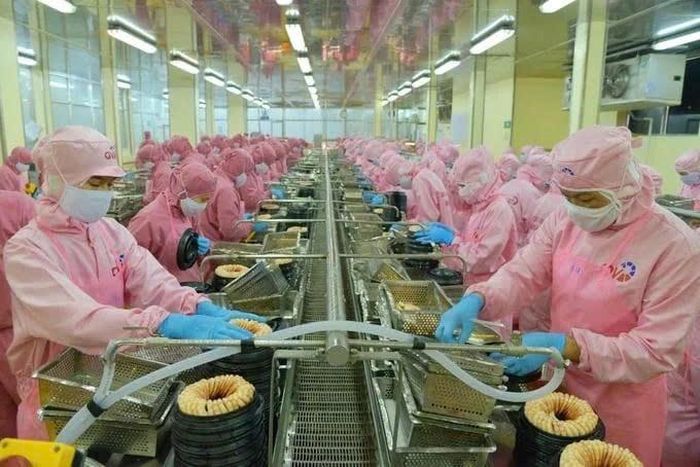
Về triển vọng từng ngành hàng, tôm tiếp tục là động lực tăng trưởng chủ lực, song cũng là mặt hàng chịu áp lực cạnh tranh lớn nhất. Ảnh: HT.

By product category, shrimp continues to be a key driver of growth, but it is also the product facing the greatest competitive pressure. Photo: HT.

Another notable change is that the national traceability system for agricultural, forestry, and fishery products officially began operations on July 1, 2026. The digitization of supply-chain information is expected to make production, processing, and distribution processes more transparent, while providing an additional tool to meet increasingly stringent requirements from import markets.

Minister of Agriculture and Environment Trinh Viet Hung called on local authorities to reorganize production in line with market demand and take responsibility for quality from the raw-material areas onward. He also urged stricter management of growing-area codes, farming-area codes, and packing-facility codes, while proactively preparing contingency measures for market fluctuations to minimize congestion, price pressure, and supply-chain disruptions during peak seasons.

From Selling More to Capturing More Value

One of the clearest examples of the need to change the mindset toward exports is the story of rice. For many years, Vietnam has ranked among the world’s major rice-exporting countries. However, as markets fluctuate, heavy dependence on a few markets and competition based primarily on price have begun to reveal their limitations.

According to Do Ha Nam, Chairman of the Vietnam Food Association (VFA), the Philippines remains a major export market for Vietnamese rice, importing around 2.5 million tons during the first few months of the year. However, changes in the country’s import policies highlight the need for a more proactive approach to market diversification. VFA leaders believe that, alongside the Philippines, Vietnam should expand into Africa and other markets with strong potential.

But opening up new markets is only part of the story. More importantly, Vietnam needs to find ways to generate greater value from every grain of rice it exports. ST25 rice is a case in point. According to analyses presented at the conference, although its quality has gained international recognition, the export price of Vietnamese rice still falls significantly short of the value the product could command in certain markets. This raises important questions about branding, consistent quality, and the ability to organize an integrated supply chain from production to export.

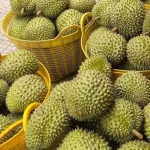
Sầu riêng đóng góp tích cực cho sự tăng trưởng kỷ lục của xuất khẩu rau quả trong tháng 8/2026. Ảnh: TT.

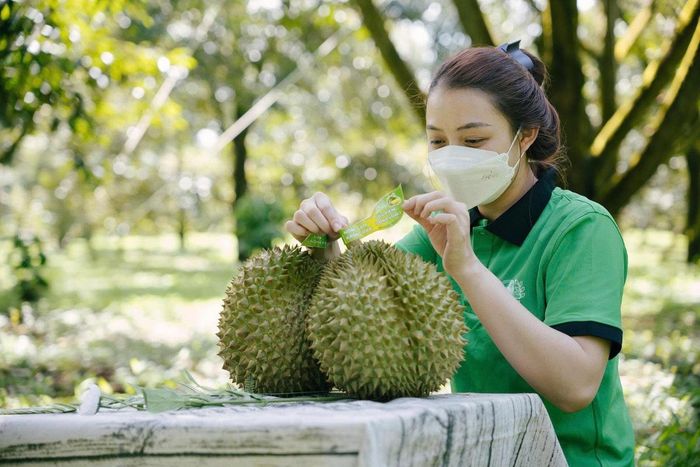
Durian made a significant contribution to the record growth of fruit and vegetable exports in August 2026. Photo: TT.

Therefore, the Vietnam Food Association (VFA) has proposed building a national rice brand, stabilizing paddy prices, and investing in storage, drying, and post-harvest preservation systems. It also called for improved access to financing and greater opportunities for businesses to establish direct partnerships with rice farmers. The target of exporting around 8 million tons of rice in 2026 is considered achievable, but the more important question remains how to generate higher value from each ton of rice exported.

In the fisheries sector, opportunities are emerging from both products and markets. In the first eight months of the year, seafood exports exceeded USD 6 billion, up nearly 13% year on year. Shrimp exports remained a key product group, exceeding USD 2.5 billion, while pangasius exports surpassed USD 1 billion. Several other products also recorded notable growth, with spiny lobster exports exceeding USD 600 million, up more than 45% from the same period last year.

Notably, China spent nearly USD 2 billion on Vietnamese seafood during the first eight months of the year, marking a sharp increase from the same period last year. Meanwhile, markets such as Brazil, Singapore, Colombia, and Egypt also recorded positive growth. These developments indicate that greater market diversification is creating additional room for seafood businesses to expand.

Looking at the rice and seafood sectors, it is clear that the direction of Vietnam’s agricultural exports is gradually changing. While production volume and price competitiveness were once considered the main advantages, the next phase demands much more: consistent quality, strong brands, transparent supply chains, and the ability to respond quickly to changing market conditions.

Quoc Dinh

Source: https://baomoi.com/go-diem-nghen-mo-duong-cho-nong-san-viet-vuon-xa-c56022620.epi